
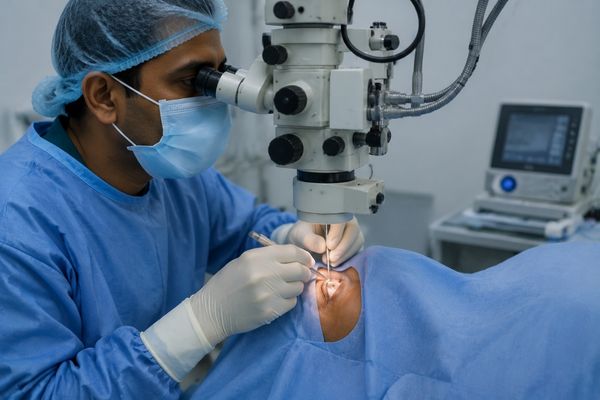
Understanding Trabeculectomy Surgery: Procedure, Recovery & Success Rate for Glaucoma Patients
-
by
shraddha trust
- No Comments on Understanding Trabeculectomy Surgery: Procedure, Recovery & Success Rate for Glaucoma Patients
Introduction
Glaucoma is often called the “silent thief of sight” because it usually develops without noticeable symptoms until permanent vision loss has already occurred. According to population-based studies conducted in India, glaucoma is the third leading cause of blindness in the country. Nearly 12 million Indians are estimated to be living with glaucoma, and many remain undiagnosed until the disease reaches an advanced stage.
Glaucoma damages the optic nerve due to increased pressure inside the eye. Treatment usually begins with medicines or laser therapy to control eye pressure. However, when these treatments no longer provide sufficient control, trabeculectomy surgery may be recommended to reduce intraocular pressure.
This guide explains everything you need to know about trabeculectomy surgery, including the procedure, recovery, success rate, benefits, and when it may be recommended for glaucoma patients.
What Is Glaucoma?
Glaucoma is a group of eye diseases that gradually damage the optic nerve, which carries visual information from the eye to the brain. In most cases, this damage occurs because the pressure inside the eye becomes higher than normal. Although glaucoma can affect anyone, the risk is higher in people with diabetes, high eye pressure, a family history of glaucoma, or increasing age.
The eye constantly produces a clear fluid that nourishes its internal structures. Under normal conditions, this fluid drains through a natural drainage system. When the drainage slows down or becomes blocked, fluid starts to build up inside the eye, increasing the pressure inside the eye. Over time, this pressure damages the optic nerve and can lead to permanent vision loss if left untreated.
The two most common types of glaucoma are:
Open-Angle Glaucoma
Open-angle glaucoma is the most common form of the disease. The drainage system gradually becomes less effective, causing eye pressure to rise slowly. Since it develops over many years, most people do not notice any symptoms during the early stages.
Angle-Closure Glaucoma
Angle-closure glaucoma develops when the drainage angle suddenly becomes blocked. This can cause a rapid increase in eye pressure and may lead to severe eye pain, redness, blurred vision, headache, nausea, and vomiting. It is considered a medical emergency and requires immediate treatment.
Regular comprehensive eye examinations remain the most effective way to detect glaucoma before it affects vision.
What Is Trabeculectomy Surgery?
Trabeculectomy is one of the most commonly performed surgical procedures for treating moderate to advanced glaucoma.
The surgery helps reduce pressure inside the eye by creating a new drainage pathway for the fluid. As the excess fluid drains more efficiently, the eye pressure decreases, reducing the risk of further damage to the optic nerve.
Many patients ask whether trabeculectomy surgery can improve their eyesight.
The answer is no.
Vision that has already been lost due to glaucoma cannot be restored because optic nerve damage is permanent. The main goal of trabeculectomy surgery is to preserve the vision that remains by preventing further damage.
For many glaucoma patients, this procedure continues to be one of the most effective long-term treatment options for controlling eye pressure.
When Is Trabeculectomy Surgery Recommended?
Glaucoma treatment usually begins with eye drops or laser treatment to lower eye pressure. These treatments help control the disease in many patients and slow down further damage to the optic nerve.
However, surgery may be recommended when these treatments are no longer able to keep the eye pressure under control.
Your ophthalmologist may suggest trabeculectomy surgery if:
- Eye pressure remains high despite using prescribed glaucoma medications.
- The optic nerve continues to show signs of damage.
- Visual field tests indicate worsening vision loss.
- Laser treatment has not provided adequate control.
- There is a high risk of further vision loss if eye pressure is not reduced.
The purpose of surgery is not to restore vision that has already been lost. Instead, it aims to lower the pressure inside the eye and help preserve the remaining vision by slowing the progression of glaucoma.
Early treatment can make a significant difference in protecting long-term eyesight.
Preparing for Trabeculectomy Surgery
Proper preparation helps your ophthalmologist plan the surgery safely and achieve the best possible outcome. Before the procedure, your doctor will perform a detailed eye examination to understand the severity of your glaucoma and evaluate your overall eye health.
You may undergo several tests, including:
- Eye pressure measurement
- Optic nerve evaluation
- Visual field test
- Gonioscopy to examine the drainage angle
- Eye scans to assess optic nerve damage
Along with these tests, your doctor will carefully review your medical history, current medications, diabetes or high blood pressure, blood-thinning medicines, and any allergies to medicines or eye drops. This helps your ophthalmologist plan the surgery according to your condition and ensure it can be performed safely.
Before the procedure, your ophthalmologist will explain the surgery, discuss its benefits and possible risks, and provide instructions to help you prepare for a smooth recovery. Your vision may be temporarily blurred after surgery; it is advisable to have a family member or friend accompany you and assist you whenever required.
How Is Trabeculectomy Surgery Performed?
Trabeculectomy is usually performed under local anaesthesia, which means you remain awake while your eye is completely numb. The procedure generally takes about 30 to 45 minutes, and in most cases, patients can return home on the same day.
During the surgery, your ophthalmologist creates a small drainage pathway that allows excess fluid inside the eye to drain more effectively. As the fluid drains, the pressure inside the eye is reduced, helping protect the optic nerve from further damage caused by glaucoma.
To regulate the drainage, a small flap is carefully created in the white part of the eye (sclera). Fine stitches are then used to control the flow of fluid, ensuring the eye maintains a safe pressure after surgery. The outer layer of the eye is gently closed, allowing a small drainage area, known as a bleb, to form. This bleb acts as a reservoir where the drained fluid collects before being naturally absorbed by the body.
Throughout the procedure, your ophthalmologist carefully monitors the drainage to achieve the right balance of eye pressure. Most patients do not experience pain during the surgery, although a mild feeling of pressure or movement is completely normal.
How Is Trabeculectomy Surgery Performed?
Trabeculectomy is usually performed under local anaesthesia, which means you remain awake while your eye is completely numb. The procedure generally takes about 30 to 45 minutes, and most patients can return home on the same day.
The surgery is performed in the following steps:
1. Preparing the Eye
Your eye is cleaned thoroughly, and a sterile drape is placed around it to reduce the risk of infection before the procedure begins.
2. Creating a Small Flap
A small flap is created in the white part of the eye (sclera). This flap helps regulate the flow of fluid after surgery.
3. Creating a New Drainage Pathway
A tiny opening is made beneath the flap to create a new drainage pathway. This allows excess fluid inside the eye to drain more effectively, helping reduce eye pressure.
4. Controlling the Fluid Drainage
Fine stitches are placed to carefully control the amount of fluid leaving the eye. This helps maintain a healthy eye pressure after surgery.
5. Closing the Eye
The outer tissue is gently closed to form a small drainage area called a bleb. The drained fluid collects here before being naturally absorbed by the body.
Most patients do not feel pain during the procedure. You may notice mild pressure or gentle movement around the eye, which is completely normal.
Recovery After Trabeculectomy Surgery
Recovery takes time, and every patient heals at a different pace. After the surgery, your eye will be covered with a protective shield. Mild redness, watering, blurred vision, or slight discomfort during the first few days is common and usually improves gradually.
Your ophthalmologist will prescribe eye drops to prevent infection, reduce inflammation, and support healing. Using these medicines exactly as instructed is an important part of your recovery.
Most patients recover gradually over the following weeks.
A typical recovery timeline includes:
- First week: Initial healing begins, and the eye is examined regularly.
- One month: The drainage area continues to heal, and eye pressure is monitored.
- Around three months: Healing is usually complete, and the long-term results become clearer.
Regular follow-up appointments are essential. Your ophthalmologist will monitor your eye pressure, examine the drainage bleb, and make adjustments if required to achieve the best possible outcome.
Success Rate of Trabeculectomy Surgery
Trabeculectomy has been performed successfully for many years and continues to be one of the most effective surgical treatments for glaucoma.
According to published clinical studies, the success rate of trabeculectomy surgery generally ranges between 70% and 90%. The outcome depends on several factors, including the type and stage of glaucoma, the patient’s overall eye health, healing response, and regular follow-up care.
In many patients, the surgery successfully lowers eye pressure for several years. Some patients may also require fewer glaucoma medications after the procedure.
The long-term success of trabeculectomy depends not only on the surgery itself but also on following your ophthalmologist’s advice, using prescribed eye drops regularly, and attending scheduled follow-up visits.
Dos and Don’ts After Trabeculectomy Surgery
Following your ophthalmologist’s instructions after surgery is important for proper healing and long-term control of eye pressure.
| Do | Don’t |
| Use your prescribed eye drops exactly as advised. | Do not rub or press the operated eye. |
| Attend all scheduled follow-up appointments. | Avoid lifting heavy objects or strenuous activities until your doctor advises otherwise. |
| Wear the protective eye shield, especially while sleeping, if recommended. | Do not allow soap, shampoo, or dirty water to enter the operated eye. |
| Keep the eye clean and follow all hygiene instructions. | Avoid bending forward repeatedly during the first few weeks after surgery. |
| Contact your ophthalmologist immediately if you notice severe pain, redness, sudden vision changes, or excessive discharge. | Do not skip your medicines or follow-up visits, even if your eye feels normal. |
Are There Any Risks?
Like any surgical procedure, trabeculectomy surgery also carries certain risks. Although complications are uncommon, understanding them helps patients make informed decisions.
Possible risks include:
- Infection
- Bleeding
- Scarring around the drainage area
- Eye pressure becoming too low
- Delayed healing
Most complications can be detected and managed early through regular follow-up visits. Following your ophthalmologist’s advice and attending every scheduled appointment plays an important role in achieving the best surgical outcome.
Why Choose Shraddha Eye Care Trust?
At Shraddha Eye Care Trust, we are committed to providing comprehensive glaucoma care through early diagnosis, advanced treatment, and long-term follow-up. Our experienced ophthalmologists use modern diagnostic technology and evidence-based treatment to develop personalised care plans for every patient.
From detailed glaucoma evaluation and trabeculectomy surgery to post-operative care and regular monitoring, we focus on protecting your vision at every stage. Our patient-centred approach ensures that every individual receives the guidance, treatment, and support needed for long-term eye health.
Conclusion
Glaucoma is a lifelong condition, but timely treatment can help protect your vision. Understanding the procedure, following the recommended aftercare, and attending regular follow-up visits are essential for achieving the best possible results. If you have been diagnosed with glaucoma or have been advised to undergo trabeculectomy surgery, consult the experienced ophthalmologists at Shraddha Eye Care Trust. Early diagnosis, timely treatment, and expert care can help preserve your vision and improve your long-term eye health.
Frequently Asked Questions
1. What is trabeculectomy surgery?
Trabeculectomy is a glaucoma surgery that creates a new drainage pathway to lower eye pressure and protect the optic nerve.
2. When is trabeculectomy surgery recommended?
It is recommended when glaucoma medications or laser treatment can no longer control eye pressure effectively.
3. How long does trabeculectomy surgery take?
The procedure usually takes about 30 to 45 minutes.
4. Is trabeculectomy surgery painful?
No. The surgery is performed under local anaesthesia, so most patients experience little or no pain during the procedure.
5. How long does recovery take?
Initial healing usually takes a few weeks, while complete recovery may take around three months.
6. Can trabeculectomy restore lost vision?
No. The surgery cannot restore vision already lost due to glaucoma. Its purpose is to prevent further vision loss.
7. What is the success rate of trabeculectomy surgery?
Clinical studies report a success rate of approximately 70% to 90%, depending on the patient’s condition and regular follow-up care.
8. Why are follow-up visits important after surgery?
Regular follow-up visits help your ophthalmologist monitor healing, check eye pressure, and manage any concerns early to achieve the best long-term results.