
Common Eye Diseases That Often Go Untreated in Rural India
 Yuvaraj K, GM
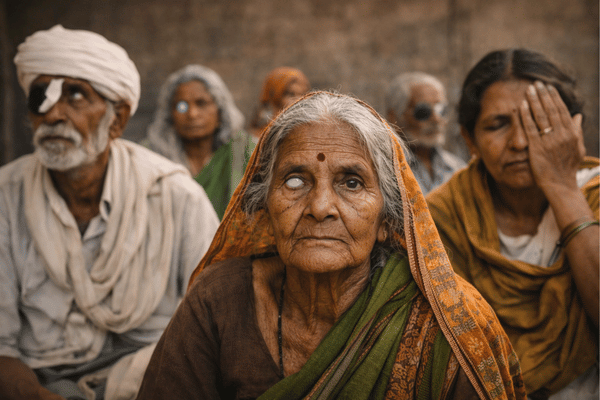
Eye diseases in Rural India continue to affect millions because early symptoms are often unnoticed or misunderstood by the people. Most families start living with the problem rather than starting treatment or consulting any doctor. Eye health is among the least considered issues in rural healthcare
In People suffering from common eye diseases in rural areas ,most often vision loss is already at advanced stages when individuals start seeking medical assistance. We at Shraddha Eye Care Trust, help in early diagnosis, community awareness, and affordable treatment to avoid preventable blindness by reaching out in Rural areas
Why is Eye Treatment Often Delayed?
The lack of eye care in rural areas is a major reason for untreated vision problems. People hesitate to travel long distances for consultation, especially thinking about the cost of treatment. The common restrictions include:
- Lack of close eyes hospitals or ophthalmologists
- Lack of money to be diagnosed or surgery
- Poor health education on eye conditions
- Fear of surgery
- Misconception, cosmetic stigma, social pressure
- Problems with transport and travelling
Shraddha Eye Care Trust works relentlessly to address these issues .
The Impact of Untreated Vision Problems
Ignoring early symptoms leads to untreated eye problems that affect daily life. Vision loss reduces working ability, increases dependency, and limits social interaction. Children with poor eyesight struggle in school, while adults face reduced productivity and safety risks.
Common Eye Diseases in Rural Communities
The most frequently observed conditions include:
- Cataract: The most common cause of loss of vision in adults is the cloud over eye lens. Cataract surgery is safe procedure, effective when done at appropriate time , yet the majority of the villagers do not hurry to perform it as they are either afraid or unaware of this.
- Refractive Errors: Uncorrected refractive errors reduce the focus of children and productivity of adults. By starting early treatment, they can start daily activities without corrective glasses and avoid the severe eye complications.
- Glaucoma: Glaucoma – A silent vision killer is a painless progressive damage of the optic nerve due to high intraocular pressure, which cannot be ignored. Patients usually become permanently blind by delaying diagnosis and screening as initially their peripheral vision is affected and later central vision
- Diabetic Retinopathy: With an increase in the prevalence of Diabetes mellitus among rural people there is an increase in retinal diseases due to it. It is very important to undergo eye screening regularly, treatment in order to avoid the vision-threatening stages.
- Infectious and Inflammatory Eye Diseases: Unsafe water, poor hygiene, and dust exposure put individuals at risk of being infected. Agricultural workers in rural areas increase risk of injury, corneal ulcer thus causing cornea scarring and blindness if untreated.
When diagnosis is delayed in most of these conditions it contributes to preventable blindness in India.
Why Does Awareness Make a Difference?
Improving rural eye health awareness helps people understand that eye problems are not only a normal part of aging. Simple education encourages:
- Early eye checkups
- Better hygiene practices
- Timely medical consultation
- Acceptance of treatment
- Overcoming misconceptions, social pressure
Awareness programs reduce fear and improve treatment acceptance.
The Cost of Ignoring Symptoms
Untreated eye problems in rural areas often progress into irreversible damage. What could have been corrected with glasses or simple medication later requires complex surgery or results in permanent vision loss.
Daily Challenges in Village Life
Eye problems in village areas affect every aspect of daily activity, economic dependency. Poor vision makes it difficult to:
- Work in farms or fields
- Cook safely
- Walk confidently
- Read or write
- Travel independently
Vision loss reduces independence and self-confidence, especially among elderly individuals.
How Does Shraddha Eye Care Trust Help?
Shraddha Eye Care Trust is committed to Providing Ethical, Accessible Compassionate eye care for rural communities. Our services include:
- Community screening programs
- Patient-friendly counselling
- Affordable treatment options
- Outreach camps in remote villages
- Long-term follow-up support
- Health education
We combine modern technology with human-centered care to ensure no patient feels ignored or unheard.
How Early Care Protects Vision?
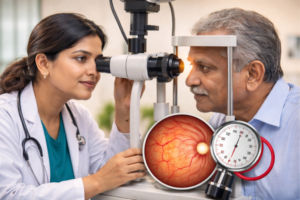
Early detection allows doctors to:
- Control disease progression
- Preserve remaining vision
- Reduce treatment costs
- Improve quality of life
- Maintain independence
Most eye conditions can be managed successfully when diagnosed on time.
Final Thought
Eye diseases in Rural India are a serious healthcare challenge, but they are largely preventable with awareness and timely care. Vision loss does not have to be irreversible when communities become aware of the symptoms and pursue early treatment.
Shraddha Eye Care Trust has been continuously trying to make quality eye care available in every village. Early management of eye health not only safeguards the eyesight of the rural population but also dignity, productivity, and future of the rural families.

-300x200.png)