How NGOs Are Helping Detect Glaucoma Early in Rural Karnataka
 Yuvaraj K, GM
The problem of glaucoma gradually influences the eyesight and people cannot notice it immediately; therefore, the diagnosis is very urgent. This renders the situation quite hazardous in the rural areas, as the people are not aware of the dangers involved, and access to eye care services in such areas is limited. For this reason, early glaucoma detection in rural Karnataka has become a major focus for NGOs working to prevent avoidable blindness.
Through community-based screenings, awareness campaigns, and partnerships with local health workers, Shraddha Eye Care Trust is identifying glaucoma cases earlier and guiding patients toward timely care.
Why Glaucoma Often Goes Unnoticed in Villages
Glaucoma usually progresses quietly, especially in its early stages. In rural communities, several factors contribute to late diagnosis:
- People rarely experience pain or sudden vision changes.
- Many assume blurred vision is simply a part of aging.
- Regular eye checkups are not a priority due to work schedules.
- Specialist clinics may be far from the village.
- Lack of awareness about the seriousness of glaucoma.
As a result, individuals often seek care only when significant vision loss has already occurred.
Barriers That NGOs Are Actively Addressing
NGOs can understand that the challenge of early glaucoma detection in rural Karnataka is not medical alone. Social, cultural, and logistical barriers also delay diagnosis. They focus on solving issues such as:
- Long travel distances to eye hospitals
- Limited financial resources
- Fear or misunderstanding of medical procedures
- Lack of knowledge about the risks of untreated glaucoma
- Minimal access to trained eye specialists
By simplifying access and improving awareness, NGOs reduce these barriers and encourage people to undergo screening earlier.
How DO NGOs Detect Glaucoma Early?
If you are wondering, “How can NGOs detect glaucoma early in rural Karnataka?” They use practical, community-friendly strategies to bring glaucoma screening closer to people who need it most. Here’s how they do it:
1.Mobile Eye Screening Units
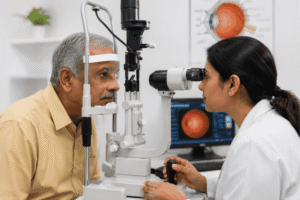
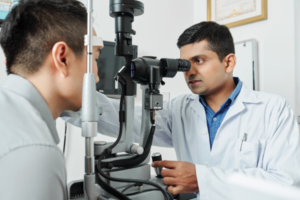
Fully equipped mobile units travel to remote locations, allowing villagers to get their eye pressure checked, undergo optic nerve evaluation, and receive basic eye tests—right at their doorstep.
2.Village-Level Eye Screening Camps
Camps are conducted with support from panchayats, local leaders, and community volunteers. These camps are usually scheduled during convenient hours to ensure good turnout from surrounding areas.
3.Training Healthcare & Anganwadi Workers
Local health workers are trained to identify early signs of vision difficulty, recognize high-risk individuals, and guide them to the nearest screening opportunity. Their care towards families increases trust and participation.
4.Focus on High-Risk Groups
NGOs prioritize screening for groups who have a higher chance of developing glaucoma, such as:
- Individuals aged 40 and above
- Diabetics
- People with a family history of glaucoma
- Individuals with high eye pressure
- Those who have previously experienced eye injuries
This targeted approach ensures early detection where the risk is greatest.
Supporting Patients After Initial Screening
Screening is only the starting point. NGOs also help patients follow through with the recommended treatment by:
- Providing counselling on the importance of timely care
- Offering reminders for follow-up appointments
- Connecting patients with trusted hospitals
- Guiding families on long-term medication routines
Continuous support improves treatment adherence and helps prevent avoidable vision loss.
What Can Patients Expect After a Glaucoma Screening?
After the screening, the ophthalmic team may recommend:
- Detailed optic nerve examination
- Eye pressure measurement
- Visual field test (if required)
- Prescription of eye drops
- Lifestyle and monitoring advice
Clear instructions are provided regarding the next steps and the recommended interval for follow-up visits.
Shraddha Eye Care Trust: Strengthening Rural Glaucoma Prevention
Shraddha Eye Care Trust is significant in ensuring that communities that are underserved have access to quality eye care. The Trust also makes sure that the rural families are guided to get access to programs like, glaucoma screening camps, mobile units, and trained field teams.
The fact that we focus on awareness, early detection, and support of patients throughout their lives helps avoid loss of sight and provide credible care in areas with limited eye care services. Shraddha Eye Care Trust is enhancing eye health in communities by targeting individuals at the village level so that communities in Karnataka are becoming stronger.
Conclusion
The effect of glaucoma is irreversible, though it can be avoided through early detection. With awareness, screening, and follow-ups in the rural setups NGOs operating at the grassroots are making a massive contribution.
With dedicated support from organizations like Shraddha Eye Care Trust, early glaucoma detection in rural Karnataka is now more achievable even in remote areas. These initiatives can save the vision of the people, increase their quality of life, and minimize the chance of avoidable blindness among a great number of people.