Types of Glaucoma Explained: Symptoms, Risks, and Early Detection
 Yuvaraj K, GM
Introduction
Glaucoma is a serious eye condition that can lead to permanent vision loss if not detected early. Often referred to as the “silent thief of sight,” it develops gradually and may not show noticeable warning signs until significant damage has occurred. Understanding glaucoma symptoms, types, and treatment options is essential for early detection and long-term eye health.
At Shraddha Eye Care Trust, we are committed to promoting awareness, early diagnosis, and accessible eye care services. Through education and regular screening, individuals can take proactive steps to protect their vision.
What Is Glaucoma?
Glaucoma is a group of eye diseases that damage the optic nerve, which transmits visual information from the eyes to the brain. This damage is often linked to increased intraocular pressure, although it can also occur in cases where eye pressure remains normal.
One of the biggest challenges with glaucoma is that its early signs are subtle, often affecting peripheral (side) vision first. Without timely diagnosis, the condition can progress to irreversible vision loss.
Major Types of Glaucoma
Understanding the different types of glaucoma can help in early recognition and proper treatment. Each type varies in progression, symptoms, and impact on vision.
1. Primary Open-Angle Glaucoma (POAG)
Primary open-angle glaucoma is the most common type and develops slowly over time. It occurs when the eye’s drainage system becomes less efficient, causing a gradual increase in eye pressure.
Key symptoms:
- Gradual and painless progression
- No noticeable early symptoms
- Loss of peripheral (side) vision
Because symptoms appear late, routine eye check-ups are essential for early detection.
2. Angle-Closure Glaucoma
Angle-closure glaucoma is a medical emergency that occurs when the drainage angle of the eye becomes blocked. This leads to a sudden rise in intraocular pressure.
Common symptoms include:
- Severe eye pain
- Sudden blurred vision
- Headache and nausea
- Redness in the eye
Immediate medical attention is required to prevent permanent vision damage.
3. Normal-Tension Glaucoma
In this type, optic nerve damage occurs even though eye pressure remains within the normal range. The exact cause is not fully understood but is often linked to reduced blood flow to the optic nerve.
Key signs include:
- Gradual vision loss
- Difficulty seeing in low-light conditions
- Progressive optic nerve damage
Regular comprehensive eye exams are crucial for detecting this form of glaucoma.
4. Secondary Glaucoma
Secondary glaucoma develops as a result of other eye conditions, injuries, or long-term use of medications such as steroids.
Symptoms may include:
- Eye redness
- Sensitivity to light
- Blurred vision
Early consultation with a glaucoma specialist is important to address the underlying cause effectively.
5. Congenital Glaucoma
Congenital glaucoma is a rare condition present at birth or in early childhood. It occurs due to improper development of the eye’s drainage system.
Key indicators:
- Cloudy cornea
- Sensitivity to light
- Excessive tearing
Early diagnosis and treatment are essential to prevent long-term visual impairment in children.
Risk Factors for Glaucoma
Several factors increase the likelihood of developing glaucoma. Being aware of these glaucoma risk factors can help individuals take preventive measures.
Common risk factors include:
- Age above 40 years
- Family history of glaucoma
- Diabetes and high blood pressure
- Long-term use of steroid medications
If you fall into any of these categories, regular eye examinations are strongly recommended.
Importance of Early Detection
Early detection is the most effective way to prevent vision loss from glaucoma. Since symptoms may not appear in the early stages, routine eye screenings play a critical role.
Benefits of early diagnosis:
- Slows disease progression
- Prevents optic nerve damage
- Preserves long-term vision
Timely intervention can make a significant difference in managing glaucoma effectively.
Why Choose Shraddha Eye Care Trust?
Shraddha Eye Care Trust is dedicated to improving eye health through awareness, early detection, and affordable treatment services. Our experienced team provides comprehensive eye examinations and personalised care to help individuals manage glaucoma effectively.
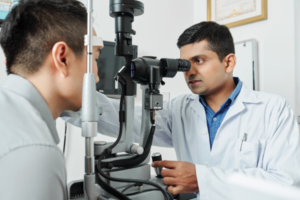
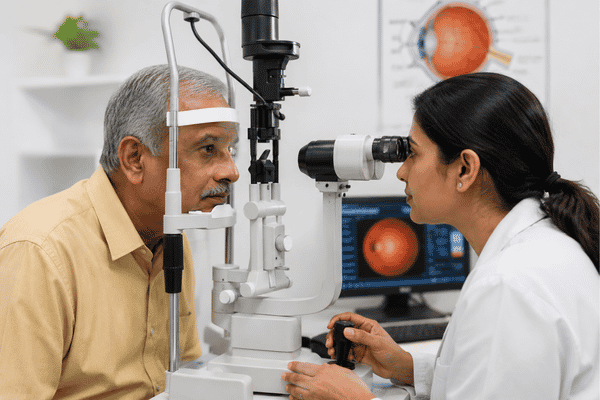
We have the latest in diagnostics for early detection and monitoring of glaucoma. This includes gonioscopy, tonometry, RNFL-OCT, Visual field analyser.
We also provide the latest in treatment modalities which consists of medical management with anti-glaucoma medications, laser peripheral iridotomy, trabeculectomy and MIGS.
Conclusion
Understanding the different types of glaucoma, symptoms, and risk factors is essential for protecting your vision. Since many forms of glaucoma develop silently, regular eye check-ups and early intervention are crucial.
Consulting a qualified glaucoma specialist ensures timely diagnosis, proper treatment, and better long-term outcomes for eye health.