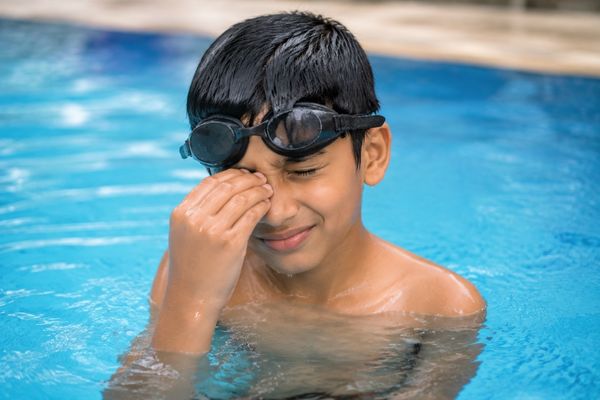
Can Swimming Affect Your Eyes? Here’s What You Should Know
 shraddha trust
Swimming is a great way to stay active and have fun. But did you know that pool water can sometimes affect your eyes? Chlorine is added to pool water to keep it clean and germ-free. However, it can also wash away the eyes’ natural tear film, which protects and keeps them moist. As a result, your eyes may become dry, red, irritated, or more prone to infections.
The good news is that most swimming-related eye problems can be prevented. Understanding the common causes and following a few simple swimming eye care tips can help protect your vision every time you swim.
Why Does Swimming Affect Your Eyes?
Many people think chlorine is harmful, but that is not entirely true. Chlorine plays an important role in keeping swimming pools clean. It helps kill germs, bacteria, and other harmful microorganisms that can spread infections in the water.
The problem begins when your eyes are exposed to chlorinated water for a long time.
Your eyes are protected by a thin layer called the tear film. This natural layer keeps the eyes moist, comfortable, and protected from dust, germs, and other irritants. Chlorine can wash away this protective layer, leaving your eyes dry and more sensitive.
Once the tear film is disturbed, your eyes become more vulnerable to irritation. If the pool is not properly maintained, bacteria or viruses present in the water may also increase the risk of eye infections after swimming.
Common Eye Problems After Swimming
Swimming can cause different types of eye problems. Some are mild and disappear within a few hours, while others may require medical attention.
Redness and Irritation
Red eyes after swimming are one of the most common complaints. Chlorine can irritate the surface of the eyes after removing the natural tear film. You may also experience burning, itching, or a gritty feeling, as though something is stuck inside the eye.
In most cases, the irritation improves after some time. However, if the redness continues or becomes worse, it should not be ignored.
Dry Eyes
Some people notice that their eyes feel dry after swimming. This happens because the protective tear film has been reduced.
Dry eyes may cause:
- Burning sensation
- Mild discomfort
- Blurred vision for a short time
- Sensitivity to light
People who already have dry eye disease may notice these symptoms more often.
Conjunctivitis (Pink Eye)
One of the most common eye infections after swimming is conjunctivitis, also known as pink eye.
This infection may be caused by bacteria or viruses present in contaminated pool water. Since chlorine irritation weakens the eye’s natural protection, germs can enter more easily.
Symptoms include:
- Red eyes
- Watery eyes
- Sticky discharge
- Swollen eyelids
- Itching or irritation
Because conjunctivitis spreads easily, early treatment and good hygiene are important.
Corneal Infections
Although uncommon, serious corneal infections can occur if harmful microorganisms enter the eye.
People who swim while wearing contact lenses are at a higher risk. Water can trap microorganisms between the contact lens and the surface of the eye. If left untreated, these infections can affect vision.
Eye pain, blurred vision, excessive tearing, or sensitivity to light should always be examined by an eye specialist.
Wear Swimming Goggles to Protect Your Eyes
One of the easiest ways to protect your eyes while swimming is by wearing properly fitted swimming goggles.
Swimming goggles create a protective barrier between your eyes and the pool water. They reduce direct contact with chlorine, bacteria, and other irritants.
The right goggles can help the following :
- Reduce chlorine eye irritation
- Lower the risk of eye infections after swimming
- Prevent redness and dryness
- Improve underwater visibility
Choose goggles that fit comfortably without leaking. Goggles that are too loose allow water to enter, while very tight goggles may cause discomfort around the eyes.
Parents should also encourage children to wear swimming goggles from an early age. Making goggles a regular part of swimming helps protect children’s eyes and reduces the chances of irritation or infection.
Eye Care Tips After Swimming
Looking after your eyes does not end when you leave the pool. A few simple steps can help reduce irritation and lower the risk of infection.
Rinse Your Eyes with Clean Water
After swimming, gently rinse your eyes with clean, fresh water. This helps wash away chlorine and any remaining particles that may be on the surface of the eyes.
Avoid Rubbing Your Eyes
Your eyes may feel itchy or irritated after swimming, but avoid rubbing them. Rubbing can make the irritation worse and may introduce germs from your hands into your eyes. If your eyes feel uncomfortable, use a clean, damp cloth to gently wipe around them.
Use Lubricating Eye Drops
If your eyes feel dry after swimming, lubricating eye drops may help restore moisture and improve comfort. Always use eye drops recommended by your eye care professional.
Simple Habits That Help Protect Your Eyes
Following a few healthy habits can go a long way in preventing eye problems after swimming.
- Wear properly fitted swimming goggles every time you swim.
- Avoid swimming with contact lenses whenever possible.
- Rinse your eyes with clean water after leaving the pool.
- Wash your hands before touching your eyes.
- Never share towels or swimming goggles with others.
- Avoid swimming in pools that appear dirty or poorly maintained.
These simple swimming eye care tips can help reduce chlorine eye irritation and protect your eyes from infections.
When Should You Visit an Eye Specialist?
Mild redness or irritation usually improves within a few hours. However, some symptoms should never be ignored.
Consult an eye specialist if you notice:
- Redness that lasts for more than a day
- Thick yellow or green discharge
- Eye pain
- Blurred vision
- Swollen eyelids
- Increased sensitivity to light
- A feeling that something is stuck in the eye even after rinsing
Early treatment can prevent complications and help protect your vision.
Protect Your Eyes Every Time You Swim
Swimming is healthy, enjoyable, and suitable for people of all ages. With a few simple precautions, you can continue to enjoy it without putting your eyes at risk.
Wearing swimming goggles, maintaining good eye hygiene, avoiding contact lenses in the pool, and recognising early symptoms are some of the easiest ways to protect your eyes while swimming. These small habits can greatly reduce the risk of redness, irritation, and eye infections after swimming.
At Shraddha Eye Care Trust, we believe that awareness is the first step towards healthy vision. Through community education and preventive eye care initiatives, we encourage people to recognise early eye problems, follow healthy eye care practices, and seek timely medical attention whenever needed. If you experience persistent redness, pain, blurred vision, or any other concerning symptoms after swimming, consult an eye care professional without delay. Protecting your eyes today can help preserve your vision for years to come.
Frequently Asked Questions
1. Can swimming affect your eyes?
Yes. Chlorine and germs in pool water can cause redness, dryness, irritation, and sometimes eye infections, especially if proper eye protection is not used.
2. Why do my eyes become red after swimming?
Chlorine can remove the protective moisture from the surface of the eyes, making them dry and irritated. This is one of the most common reasons for red eyes after swimming.
3. Do swimming goggles protect the eyes?
Yes. Swimming goggles help keep chlorinated water, bacteria, and other irritants away from your eyes. They are one of the best ways to protect your eyes while swimming.
4. Is it safe to swim with contact lenses?
No. Contact lenses can trap harmful microorganisms against the eye, increasing the risk of serious eye infections. It is best to remove them before swimming.
5. What should I do if my eyes burn after swimming?
Rinse your eyes with clean water and avoid rubbing them. If the discomfort continues, lubricating eye drops may help. Consult an eye specialist if symptoms persist.
6. How can I prevent eye infections after swimming?
Wear swimming goggles, avoid touching your eyes with unclean hands, rinse your eyes after swimming, and avoid swimming in poorly maintained pools.
7. Can chlorine permanently damage the eyes?
Short-term chlorine exposure usually causes temporary irritation. However, repeated exposure without proper eye protection may increase the risk of ongoing eye discomfort and other problems.
8. When should I see an eye specialist after swimming?
Seek medical attention if you experience severe pain, blurred vision, thick discharge, swelling, or redness that does not improve within 24 hours.