Eye Donation and Corneal Blindness: How One Donor Can Restore Two Lives
-
by
shraddha trust
- No Comments on Eye Donation and Corneal Blindness: How One Donor Can Restore Two Lives
Introduction
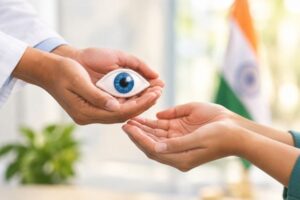
One eye donor can help two people see again. Eye donation offers hope to individuals who have lost their vision due to corneal damage or disease. By donating healthy corneal tissue after death, one person may help restore useful eyesight to two recipients. Understanding corneal blindness, the importance of eye donation and how transplantation works can encourage more people to give the gift of sight.
What Is Corneal Blindness?
The cornea is the clear, protective layer at the front of the eye that helps focus light for clear vision. Damage, scarring, or cloudiness can severely affect eyesight. This is known as corneal blindness.
Common causes include:
- Eye infections: Severe infections may leave permanent scars.
- Eye injuries: Accidents, burns or chemical exposure can damage the cornea.
- Corneal diseases: Certain inherited or progressive conditions affect corneal clarity.
- Vitamin A deficiency: Severe deficiency can damage the cornea, particularly in children.
For suitable patients, a corneal transplant may help improve vision.
How Can One Eye Donor Restore Two Lives?
Each person has two corneas, one in each eye. After death, both corneas may be donated and used for transplantation if they are medically suitable.
This means one donor can potentially help two people regain useful vision.
A donated cornea may help someone whose eyesight has been affected by an injury, while the other may benefit a patient with severe corneal scarring.
Although visual improvement varies, successful transplantation can help recipients return to activities such as reading, studying, working and moving around more independently.
Note: Eye donation can provide a second chance at clearer vision for people living with corneal blindness. Shraddha Eye Care Trust encourages awareness of eye donation and the importance of discussing donation wishes with family.
Who Can Become an Eye Donor?
Many people can donate their eyes after death, regardless of age or certain existing health conditions.
People who wear spectacles, have undergone cataract surgery or have diabetes may still be eligible.
However, donation suitability depends on medical history, tissue condition and the eye bank’s assessment. Certain infections or diseases may prevent tissue from being used for transplantation.
How Does Eye Donation Work?
Eye donation is performed after death by trained professionals through an authorised eye bank.
The process generally involves:
- Contacting an eye bank: Family members inform the eye bank as soon as possible after death.
- Medical assessment: The team checks the donor’s medical history and eligibility.
- Tissue retrieval: Trained professionals carefully collect the donated eye tissue.
- Corneal evaluation: The tissue is examined to determine whether it is suitable for transplantation.
- Transplantation: Suitable corneal tissue is allocated to patients who need it.
Eye donation is carried out respectfully and usually does not cause significant delays to funeral arrangements.
How Does a Corneal Transplant Restore Vision?
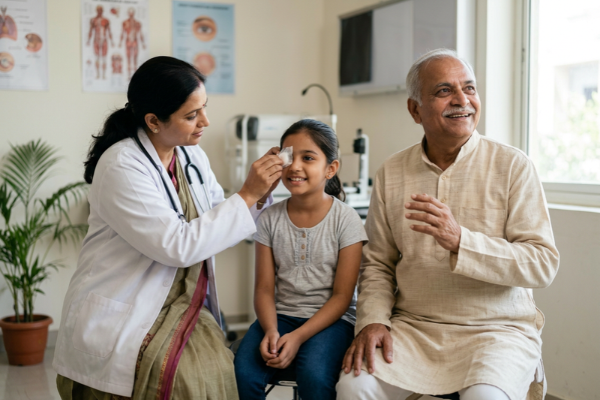
A corneal transplant is a surgical procedure in which damaged corneal tissue is replaced with healthy tissue from a donor.
The new cornea allows light to pass through more clearly, potentially improving eyesight.
The outcome depends on the underlying eye condition, the health of other eye structures and recovery after surgery. Not every patient will regain normal vision, but many can experience meaningful improvement.
Why Is Eye Donation Important?
People with corneal blindness may require donated tissue to regain useful vision. Without suitable donor corneas, transplantation cannot take place.
Eye donation helps by:
- Providing tissue for sight-restoring transplants.
- Supporting patients affected by corneal injuries and diseases.
- Improving independence and everyday quality of life.
- Giving families an opportunity to help others through donation.
Greater awareness can encourage more individuals to express their wishes and discuss eye donation with their families.
Frequently Asked Questions
1. Can one eye donor help two people?
Yes. A person has two corneas, and each may be used to help a different recipient if suitable for transplantation.
2. Can people who wear spectacles donate their eyes?
Yes. Wearing spectacles does not prevent eye donation. The eye bank assesses whether the donated tissue is suitable.
3. How soon should eye donation take place after death?
The eye bank should be contacted immediately. Corneal retrieval is time-sensitive and is generally arranged within a few hours after death.
4. Can corneal blindness be completely cured?
Corneal transplantation may significantly improve vision in suitable patients. However, the results depend on the cause of blindness and the health of the eye.
5. How can someone register for eye donation?
Individuals can express their wishes through an authorised eye bank or donation organisation. Informing family members is also important because their involvement may be needed after death.
Give the Gift of Sight Through Eye Donation
Eye donation can transform the lives of people affected by corneal blindness. A single donor may provide two suitable corneas, helping two individuals regain useful vision and greater independence.
By understanding the value of eye donation and sharing your wishes with loved ones, you can help make sight-restoring treatment possible for others.