5 Signs Your Child May Have an Eye Problem
 shraddha trust
Introduction
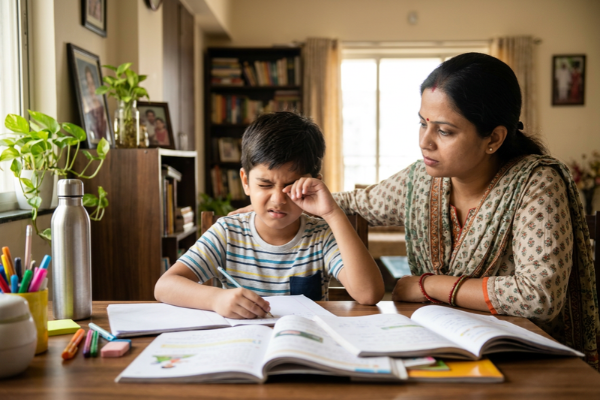
Children cannot always explain what they struggle to see, but their everyday habits can tell the story. Frequent squinting, eye rubbing or difficulty reading may indicate an underlying vision problem. Recognising these signs early can help parents protect their child’s eyesight, learning and development.
In this blog, we explain the common signs of vision problems in children, their possible causes and when parents should seek professional eye care.
1. Frequent Squinting or Closing One Eye
If your child regularly squints while watching television, reading or looking at distant objects, they may be struggling to focus.
Possible causes include:
- Myopia: Difficulty seeing distant objects.
- Hyperopia: Difficulty focusing, particularly during close-up tasks.
- Astigmatism: Blurred or distorted vision.
Occasional squinting in bright sunlight is normal, but frequent squinting during everyday activities requires attention.
2. Excessive Eye Rubbing or Tired Eyes
Repeated eye rubbing may indicate discomfort rather than tiredness alone.
Common causes include:
- Eye allergies or irritation
- Dry eyes
- Eye strain
- Uncorrected vision problems
An eye specialist should examine persistent rubbing, especially when accompanied by redness, watering, or itching.
3. Holding Books Too Close or Sitting Near Screens
Children who struggle to see clearly may bring books, tablets or other objects unusually close to their eyes.
Watch for:
- Holding reading materials close to the face
- Sitting very near the television
- Difficulty seeing the classroom board
These habits may indicate short-sightedness or another refractive error.
4. Misaligned or Wandering Eyes
If one eye turns inward, outward, upward or downward, your child may have strabismus (squint).
Signs include:
- Eyes pointing in different directions
- One eye occasionally drifting
- Tilting the head to focus
Eye misalignment may affect visual development and can be associated with amblyopia (lazy eye). Early assessment is important to reduce the risk of lasting vision problems.
5. Frequent Headaches or Difficulty Reading
Headaches after schoolwork or reading may sometimes result from eye strain or difficulty focusing.
Your child may also:
- Avoid reading or homework.
- Lose their place while reading
- Complain of blurred or double vision
- Struggle with visually demanding tasks
An eye examination can help determine whether vision is contributing to these symptoms.
Note: Children may not realise their eyesight is affected, especially when changes develop gradually. At Shraddha Eye Care Trust, parents can seek professional guidance to identify potential vision problems and understand the importance of early eye care.
How Are Eye Problems Diagnosed in Children?
An ophthalmologist may perform age-appropriate tests to assess:
- Visual acuity: How clearly each eye sees.
- Eye alignment: Whether both eyes work together.
- Refractive errors: Whether spectacles are needed.
- Eye health: The condition of internal and external eye structures.
Dilating eye drops may be used when a more detailed examination is necessary.
Tips to Protect Your Child’s Eyesight
Simple habits can support healthy vision:
- Arrange regular vision screenings and recommended eye examinations.
- Encourage outdoor play.
- Provide proper lighting while reading.
- Encourage breaks during prolonged screen use.
- Offer a balanced diet.
- Use protective eyewear when appropriate.
Frequently Asked Questions
1. What are the first signs of eye problems in children?
Frequent squinting, excessive eye rubbing, holding objects too close, misaligned eyes and headaches during reading are common warning signs.
2. Can children have poor eyesight without knowing it?
Yes. Children may adapt to blurred vision without recognising that their eyesight is different from normal.
3. When should children have their eyes checked?
Vision screening should begin in infancy and continue throughout childhood. Symptoms or abnormal screening results may require a comprehensive eye examination.
4. Does too much screen time affect children’s eyes?
Prolonged screen use can cause eye strain, dryness and temporary blurred vision. Regular breaks help reduce discomfort.
5. Can childhood vision problems be treated?
Many conditions, including refractive errors, lazy eye and certain alignment problems, can be treated or managed. Early diagnosis often improves outcomes.
Protect Your Child’s Vision Early
Healthy eyesight supports a child’s learning, confidence and everyday activities. Recognising unusual visual habits and arranging timely eye examinations can help identify problems before they affect development.
If your child shows any of these warning signs, consult an eye-care professional for a comprehensive examination.