
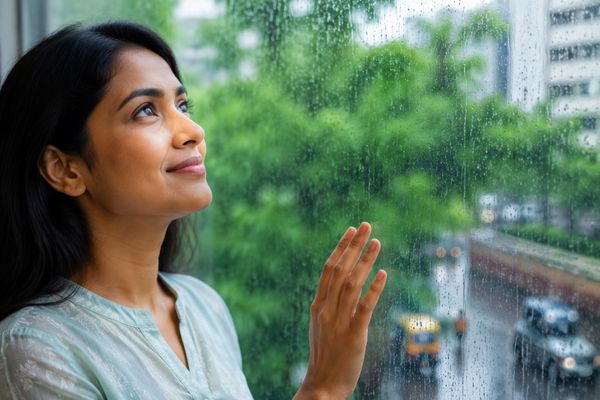
Monsoon Eye Care Tips: Protect Your Eyes During the Rainy Season
 shraddha trust
1. Introduction
The arrival of the monsoon season brings cooler temperatures, lush greenery, and welcome relief from intense summer heat. However, the environmental shifts that accompany heavy rainfall also present significant challenges to ocular health. Increased atmospheric humidity, stagnant rainwater, elevated pollen counts, and urban rainwater runoff create an ideal breeding ground for viruses, bacteria, and fungal spores.
During the rainy season, common ocular issues such as viral pink eye (conjunctivitis), allergic eye disease, corneal ulcers, styes, and dry eye irritation spike dramatically across all age groups. Children, daily two-wheeler commuters, and contact lens users are particularly vulnerable. Fortunately, most monsoon-related eye problems can be easily prevented by adopting evidence-based monsoon eye care tips and maintaining robust eye care during monsoon.
This comprehensive guide explores why eye infections during monsoon surge, outlines 9 actionable monsoon eye care tips, highlights special contact lens precautions, and specifies when you should seek professional care.
2. Regional Health Facts & Research (India & Karnataka Data)
Epidemiological studies published in the Indian Journal of Ophthalmology (IJO), Journal of Family Medicine and Primary Care, and health reports from the Ministry of Health and Family Welfare (MoHFW) reveal vital facts regarding monsoon eye health:
- Seasonal OPD Outbreak Spikes: During monsoon outbreaks in urban hubs like Bengaluru, Mangaluru, and Mysuru, acute conjunctivitis accounts for 35% to 42% of all primary ophthalmic outpatient visits.
- Awareness Gap in Karnataka: Clinical cross-sectional surveys in Central Karnataka show that while 73% of patients seek care within 3 days of symptom onset, over 64% remain unaware of contagious transmission pathways.
- Risks of Self-Medication: Research indicates that nearly 15% of individuals experiencing red eyes in monsoon practice dangerous self-medication, using over-the-counter steroid drops that can elevate intraocular pressure or cause secondary fungal keratitis.
- Pathogen Survival Rate: The human Adenovirus—the primary cause of epidemic keratoconjunctivitis—can survive on dry ambient surfaces for up to 7 to 10 days in high humidity conditions.
3. Why Are Eye Problems More Common During Monsoon?
Several environmental and behavioral factors combine during the rainy season to compromise monsoon eye health:
- High Environmental Humidity: Elevated air moisture enables airborne pathogens and fungal spores to persist longer in the atmosphere.
- Polluted Rainwater & Urban Runoff: Urban rainwater carries suspended particles, vehicular exhaust pollutants, industrial chemicals, and sewage contaminants that trigger severe conjunctival inflammation upon contact.
- Increase in Allergens: Damp conditions encourage indoor dust mite proliferation, mould growth, and pollen dispersal, triggering allergic eye symptoms.
- High Surface Contamination: Commuting in rain, using public transport handrails, and touching wet surfaces transfer viruses directly to the eyes via unwashed hands.
4. Common Eye Problems During Monsoon
| Eye Condition | Primary Symptoms | Clinical Description & Cause |
| Conjunctivitis (Pink Eye) | Redness, watery discharge, gritty sensation, eyelid crusting | Highly contagious inflammation of conjunctiva caused by Adenovirus or bacteria. |
| Allergic Conjunctivitis | Intense itching, ocular burning, clear stringy discharge | Hypersensitivity reaction triggered by damp mould spores, dust mites, and wet pollen. |
| Stye (Hordeolum) | Painful localized bump on eyelid margin, tenderness, swelling | Acute bacterial infection of meibomian or Zeis oil glands triggered by trapped dirt/sweat. |
| Corneal Ulcer (Keratitis) | Severe ocular pain, light sensitivity, white corneal spot, blurred vision | Serious infection of the cornea often linked to dirty rainwater splash or contact lens wear. |
| Dry Eye & Digital Strain | Eye fatigue, heaviness, transient blurring, dryness | Increased indoor screen time coupled with air conditioner air movement disrupts tear film. |
5. 9 Monsoon Eye Care Tips to Protect Your Vision
Protecting your vision during the rainy season requires proactive daily habits. Follow these 9 essential rainy season eye care tips:
1. Maintain Strict Hand Hygiene
Your hands touch dozens of contaminated surfaces daily. Wash your hands thoroughly with soap and water for at least 20 seconds before touching your face, eyelids, or managing contact lenses. Carry an alcohol-based hand sanitizer when commuting.
2. Never Touch or Rub Your Eyes
Rubbing your eyes creates microscopic corneal scratches and transfers viral and bacterial pathogens directly from your fingers into the conjunctival sac. If dirty water or dust enters your eye, gently flush it with clean, sterile saline or bottled water.
3. Do Not Share Personal Care Items
Viral conjunctivitis spreads effortlessly through direct contact. Never share towels, handkerchiefs, pillowcases, eye makeup, or eye drops with family members or colleagues, even if they show no obvious symptoms.
4. Exercise Extreme Care with Contact Lenses
Contact lens wearers must follow heightened safety protocols during monsoon. Rainwater and high humidity foster Acanthamoeba and Pseudomonas bacterial keratitis. Never wear lenses while swimming or getting wet in the rain, and consider switching to daily disposable lenses during peak rainy months.
5. Protect Your Eyes Outdoor & While Commuting
Two-wheeler riders and pedestrians face direct exposure to dirty road splash, windborne debris, and rainwater runoff. Wear protective clear glasses, zero-power UV sunglasses, or a full-face helmet visor when outdoors.
6. Mitigate Digital Eye Strain Indoors
Rainy weather keeps people indoors, increasing screen time on smartphones, laptops, and televisions. Adopt the 20-20-20 rule: every 20 minutes, look at an object 20 feet away for 20 seconds to relax ciliary muscles and refresh tear coverage.
7. Avoid Old or Shared Eye Cosmetics
High humidity accelerates microbial growth inside cream or liquid cosmetics like mascara, eyeliner, and kajal. Replace eye cosmetics every 3 months, clean makeup brushes weekly, and completely remove makeup before sleeping.
8. Maintain Hydration & Nutrition for Monsoon Eye Health
Support your immune defense and corneal repair mechanism by drinking plenty of clean, filtered water. Eat foods rich in Vitamin A, Vitamin C, Vitamin E, Zinc, and Omega-3 fatty acids, such as spinach, carrots, citrus fruits, almonds, and walnuts.
9. Refrain from Using Over-the-Counter (OTC) Eye Drops
Using OTC redness-relief drops or self-prescribed steroid eye drops can cause serious complications, including secondary fungal infections, delayed healing, or increased intraocular pressure. Always consult a qualified eye specialist before instilling drops.
6. Special Guidelines for Contact Lens Users During Rainy Season
- Always wash hands with antibacterial soap and dry them completely with a lint-free towel before handling lenses.
- Never allow tap water or rainwater to contact your lenses or storage case.
- Replace lens storage solution daily; never top-up old solution.
- If your eyes feel gritty, red, or irritated, remove lenses immediately and switch to spectacles until evaluated by an eye doctor.
7. Red Flag Symptoms: When to Visit an Eye Specialist
While mild irritation can be managed with rest and warm compresses, consult an ophthalmologist immediately if you experience:
- Severe, throbbing eye pain or deep ocular pressure.
- Persistent redness that does not improve after 48 hours.
- Thick green or yellow purulent discharge accumulating rapidly.
- Sudden blurring, reduction in vision, or seeing halos around light sources.
- Marked photophobia (inability to look at normal light).
- Swelling around the eyelid margin or facial tissues.
8. Conclusion & Specialist Care
Monsoon is a beautiful season, but it demands conscious attention to ocular hygiene. By practicing diligent hand washing, protecting your eyes outdoors, adhering to contact lens care, and avoiding unprescribed medication, you can easily protect your eyes in monsoon.
If you or your family members develop red, painful, or discharging eyes during this rainy season, receive timely diagnosis and specialized treatment at Shraddha Eye Care Trust.