
The Role of Free Eye Camps in Rural Areas
 Yuvaraj K, GM
Eyesight is a precious gift, yet millions in rural India continue to suffer from preventable blindness and impaired vision due to the lack of accessible and affordable eye care. The benefits of free eye camps in rural areas are profound—they bridge critical healthcare gaps by offering essential services to underserved populations. These camps not only restore vision but also restore dignity, independence, and productivity.
In this blog, we will explore why are free eye camps important in rural areas, detail what services are provided in free eye camps, and spotlight the impactful work of Shraddha Eye Care Trust, a pioneer in bringing quality eye care to Karnataka’s most remote communities. Their mission proves that sight can truly transform lives.
Why Are Free Eye Camps Important in Rural Areas
Rural communities tend to experience a number of barriers to accessing quality eye services:
- Limited Health Infrastructure: Specialists and eye hospitals are largely in cities, not villages.
- Cost Barriers: The cost of diagnosis, treatment, and surgery.
- Lack of Awareness: Most people are unaware of good eye health or early indicators of eye disease.
These are the main reasons why avoidable blindness is common in rural areas. Free eye camps help by bringing eye care directly to people, overcoming distance and cost barriers.
Advantages of Free Eye Camps in Rural Areas
The benefits of free eye camps in rural areas are multi-faceted and far-reaching:
- Early Detection and Timely Treatment – Regular screening in camps identifies cataracts, glaucoma, and refractive errors early on and allows for them to be treated to avoid blindness.
- Free Quality Care – Free camps remove financial barriers and make eye care to economically challenged individuals.
- Regaining Productivity and Autonomy- Good vision allows people to be productive and carry out day-to-day activities on their own, resulting in individual and community development.
- Awareness and Education – Eye camps enlighten rural masses about eye care, hygiene, and regular check-ups, and promote preventive health actions.
- Increasing Confidence in Medical Care – Free eye camps introduce caring hands amongst rural people and increase confidence in the health system, and encourage people to come forward and seek immediate medical attention.
What Services Are Provided in Free Eye Camps?
Here’s a look at the range of eye care services offerings:
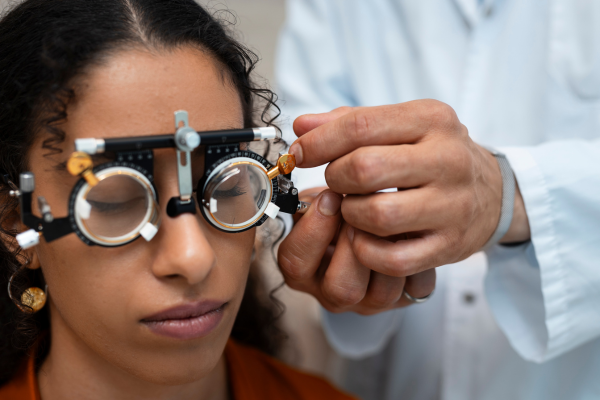
- Comprehensive Eye Tests: By expert ophthalmologists to screen for eye disorders.
- Dispensation of Free Glasses: Free corrective glasses are given to enhance vision in refractive errors.
- Medical Care: Minor infections and sicknesses are treated on the spot.
- Surgery Referrals: Patients who need cataract operation or other surgeries are referred to affiliate hospitals for free surgical interventions.
- Community Education: Orientation sessions and health talks are done to create awareness on eye care.
Shraddha Eye Care Trust: Champions of Eye Care in Rural Karnataka
One of the most committed NGOs to strive for eradicating avoidable blindness in rural Karnataka is Shraddha Eye Care Trust. Established by Dr. Sri Ganesh, Shraddha Eye Care Trust has been a ray of hope for thousands, with free eye camps and surgeries performed with compassion and a human touch.
- More than 2,500 free eye camps have been organized
- More than 100,000 free surgeries have been done
- Mobile eye clinics to the remotest villages
- Year-round community outreach and awareness programs
Their vision of “Eye care for all with a humane touch” has changed the lives of countless people. Learn more about their inspiring work at Shraddha Eye Care Trust.
Conclusion
Free eye camps are the key driving force for changing rural health through quality, accessible, and affordable eye care. The benefits of free eye camps in rural areas are longer-reaching than better vision—free eye camps give hope, empower people, and spur economic development.
Through the sponsorship of organizations such as Shraddha Eye Care Trust, we can all assist with eliminating avoidable blindness and create a world where everyone has the chance to see—no matter where they live or how much they earn.
-300x200.png)