Why Every Person with Diabetes Needs an Annual Dilated Eye Examination
-
by
shraddha trust
- No Comments on Why Every Person with Diabetes Needs an Annual Dilated Eye Examination
Introduction
India is home to one of the world’s largest populations of people living with diabetes. As diabetes continues to affect more people every year, diabetes-related eye diseases such as diabetic retinopathy have become an increasingly common cause of preventable vision loss.
Living with diabetes is about much more than controlling your blood sugar. Over time, high blood glucose levels can damage the tiny blood vessels throughout your body, including those in your eyes. This damage often develops gradually without causing any noticeable symptoms, which is why many people remain unaware of the problem until their vision begins to change.
But the best thing is that many diabetes-related eye diseases can be detected early through an annual dilated eye examination. This simple but important test allows your ophthalmologist to identify changes inside the eye before they affect your vision. Early diagnosis, regular monitoring, and timely treatment can significantly reduce the risk of permanent vision loss and help protect your eyesight for years to come.
Why Does Diabetes Affect Your Eyes?
Diabetes affects the body’s blood vessels, including the tiny blood vessels that supply the retina. The retina is the light-sensitive tissue at the back of the eye that sends visual signals to the brain, allowing you to see clearly.
When blood sugar remains higher than the recommended level for a long period, these delicate blood vessels gradually become weak. They may swell, leak blood or fluid, or even become blocked. As the damage progresses, the retina does not receive enough oxygen, which can lead to vision problems.
One of the most common eye conditions caused by diabetes is diabetic retinopathy. If it is not detected and treated at the right time, it can result in permanent vision loss.
What Is a Dilated Eye Examination?
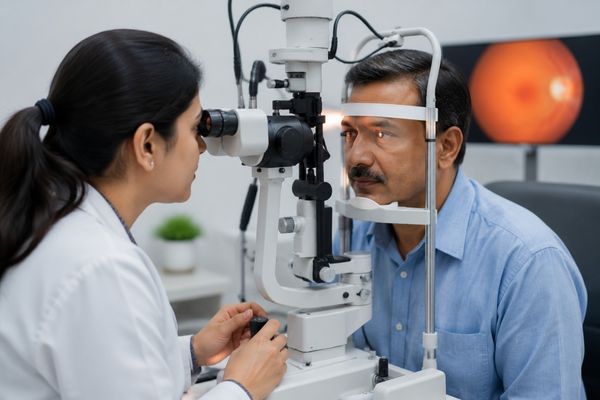
A dilated eye examination is one of the most effective ways to detect diabetes-related eye disease at an early stage.
During the examination, your ophthalmologist places special eye drops into your eyes to widen, or dilate, your pupils. Once the pupils become larger, the doctor can examine the retina, optic nerve, and retinal blood vessels in much greater detail.
This allows your ophthalmologist to identify even the smallest changes inside the eye that cannot be seen during a routine vision test.
A dilated eye examination helps detect:
- Diabetic retinopathy
- Diabetic macular oedema
- Glaucoma
- Cataracts
- Other retinal diseases
Although your vision may remain blurred for a few hours after the examination because of the eye drops, the procedure itself is painless and usually takes only a few minutes.
Why Is an Annual Dilated Eye Examination So Important?
Many people with diabetes believe they only need an eye examination if they notice blurred vision or other eye problems.
Unfortunately, this is one of the biggest misconceptions.
Diabetic eye disease often develops silently. In its early stages, it usually causes no pain and no noticeable changes in vision. By the time symptoms appear, significant damage may have already occurred.
Having an annual dilated eye examination allows your ophthalmologist to detect these changes before your eyesight is affected.
Early detection offers several important benefits:
- Identifies diabetic retinopathy before vision loss begins.
- Detects retinal swelling at an early stage.
- Allows treatment to begin before complications develop.
- Reduces the risk of permanent vision loss.
- Helps preserve healthy vision for the future.
Even if your diabetes is well controlled and your eyesight appears normal, regular eye examinations remain essential because early retinal changes cannot be detected without a thorough examination.
Who Should Have a Dilated Eye Examination?
Every person living with diabetes should include a comprehensive dilated eye examination as part of their routine diabetes care.
This includes people with:
- Type 1 diabetes
- Type 2 diabetes
- Gestational diabetes, if recommended by their ophthalmologist
- Long-standing diabetes
- Diabetes with high blood pressure or kidney disease
Your ophthalmologist may recommend more frequent examinations if diabetic retinopathy or other diabetes-related eye problems are already present.
What Happens During an Annual Dilated Eye Examination?
A dilated eye examination is a simple, painless, and highly effective test that helps your ophthalmologist assess the overall health of your eyes.
During your visit, you can expect the following steps:
Medical History
Your ophthalmologist will ask about your diabetes, recent blood sugar control, medications, blood pressure, and any vision-related symptoms you may be experiencing.
Vision Assessment
Your vision will be checked to determine whether there have been any changes since your previous examination.
Dilating the Pupils
Special eye drops are placed into your eyes to widen the pupils. It usually takes about 15 to 30 minutes for the drops to work. You may experience temporary blurred vision and increased sensitivity to bright light during this time.
Detailed Retinal Examination
Once your pupils are fully dilated, your ophthalmologist carefully examines the retina, optic nerve, and retinal blood vessels using specialised instruments. If required, retinal photographs or Optical Coherence Tomography (OCT) scans may also be performed to detect even the smallest changes.
The entire appointment usually takes less than an hour, but it provides valuable information about your eye health that cannot be obtained through a routine vision test alone.
How Can You Protect Your Vision?
Looking after your eyes is an important part of managing diabetes. Along with annual eye examinations, healthy lifestyle habits can help reduce the risk of diabetes-related eye disease.
Some simple ways to protect your vision include:
- Keep your blood sugar within the recommended range.
- Control your blood pressure and cholesterol.
- Eat a balanced diet rich in fruits and vegetables.
- Exercise regularly.
- Take your diabetes medications as prescribed.
- Avoid smoking.
- Never skip your annual dilated eye examination.
These small steps can make a significant difference in preserving your eyesight over the long term.
Common Myths About Diabetic Eye Examinations
Myth: I can see clearly, so my eyes must be healthy.
Fact: Diabetic retinopathy often develops without causing any symptoms during its early stages.
Myth: I only need an eye examination if my vision becomes blurry.
Fact: Waiting for symptoms may delay diagnosis. Annual dilated eye examinations help detect problems before vision is affected.
Myth: Diabetes only affects blood sugar.
Fact: Diabetes can damage blood vessels throughout the body, including those in the eyes, kidneys, nerves, and heart.
Myth: Vision loss from diabetic retinopathy cannot be prevented.
Fact: Early detection and timely treatment can significantly reduce the risk of permanent vision loss.
Conclusion
At Shraddha Eye Care Trust, we believe that prevention is the best way to protect vision. Our experienced ophthalmologists provide comprehensive diabetic eye care using advanced diagnostic technology to detect diabetes-related eye diseases at their earliest stage.
From routine annual dilated eye examinations and retinal imaging to laser treatment, intravitreal injections, and long-term diabetic eye care, we offer personalised treatment tailored to every patient’s needs. Our goal is not only to treat diabetic eye disease but also to help patients preserve healthy vision for years to come.
If you are living with diabetes, don’t wait for symptoms to appear. Schedule your annual dilated eye examination at Shraddha Eye Care Trust and take an important step towards protecting your vision.
Frequently Asked Questions
1. Why do people with diabetes need a dilated eye examination?
A dilated eye examination helps detect diabetes-related eye diseases before they begin to affect vision.
2. Does a diabetic eye examination hurt?
No. The examination is painless. You may experience temporary blurred vision after the dilating eye drops.
3. How often should I have a dilated eye examination?
Most people with diabetes should have one comprehensive dilated eye examination every year or as advised by their ophthalmologist.
4. Can diabetic retinopathy develop without symptoms?
Yes. Many people experience no symptoms during the early stages, which is why regular eye examinations are important.
5. Can good blood sugar control prevent diabetic eye disease?
Maintaining healthy blood sugar levels significantly reduces the risk of developing diabetic eye disease and slows its progression.
6. What if my vision is normal?
Normal vision does not always mean healthy eyes. Diabetic retinopathy can develop without affecting vision in its early stages.
7. What happens if diabetic eye disease is detected early?
Early diagnosis allows timely treatment, helping prevent serious complications and reducing the risk of permanent vision loss.
8. Where can I get a diabetic eye examination?
You can schedule a comprehensive annual dilated eye examination with the experienced ophthalmologists at Shraddha Eye Care Trust for early detection and personalised diabetic eye care.