
Black Cataract: Causes, Symptoms, Diagnosis, Treatment, and Prevention
-
by
shraddha trust
- No Comments on Black Cataract: Causes, Symptoms, Diagnosis, Treatment, and Prevention
Introduction
Black cataract is a rare and severe form of cataract in which the natural lens of the eye becomes extremely hard, dense, and dark brown or black in colour. As the lens becomes opaque, it blocks light from entering the eye and can cause significant vision loss.
This condition usually develops when a cataract remains untreated for several years. Early diagnosis and appropriate treatment are important to protect eyesight and prevent complications.
What is Black Cataract?
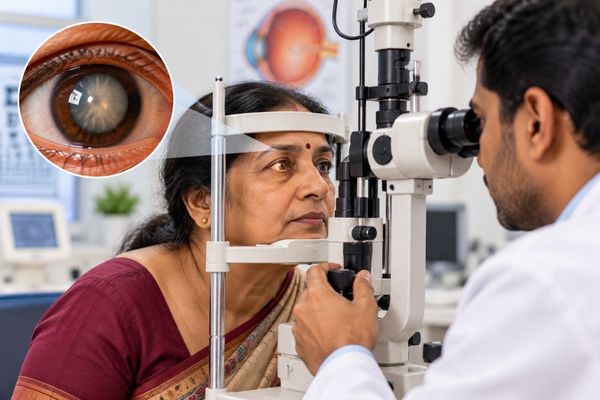
Black cataract is a type of hypermature cataract in which the eye lens undergoes advanced changes, becoming hardened and deeply coloured. Unlike common cataracts that appear white or cloudy, black cataracts develop a dark appearance due to prolonged changes in lens proteins.
As the cataract progresses, it can prevent light from reaching the retina, reducing visual clarity. In some cases, the dense lens may also make it difficult for an ophthalmologist to examine the retina properly.
Types of Black Cataract
Black cataracts are mainly classified according to the part of the lens affected.
Nuclear Black Cataract
This type affects the central part of the lens, called the nucleus. The lens gradually becomes harder and darker, leading to progressive vision deterioration.
Cortical Black Cataract
This condition develops in the outer layer of the lens, known as the cortex. It can cause irregular clouding and affect different areas of vision.
Causes of Black Cataract
Black cataracts develop due to long-term changes in the eye lens. Common contributing factors include:
- Ageing: Natural changes in lens proteins increase the risk of cataract formation.
- Diabetes: High blood sugar levels can accelerate cataract development.
- Genetic factors: Family history may increase susceptibility.
- UV exposure: Long-term exposure to ultraviolet rays can damage lens proteins.
- Eye trauma: Injuries may lead to early cataract formation.
- Lifestyle factors: Smoking, alcohol consumption, and poor nutrition may increase risk.
Symptoms of Black Cataract
Symptoms may vary depending on the severity of the cataract. Common signs include:
- Blurred or reduced vision
- Difficulty seeing in low light
- Increased glare sensitivity
- Faded colour perception
- Double vision in one eye (monocular diplopia)
- Difficulty with activities such as reading or recognising faces
In advanced cases, vision may become limited to detecting light or movement.
How is Black Cataract Diagnosed?
An ophthalmologist performs a detailed eye examination to diagnose black cataracts. Tests may include:
Visual Acuity Test
Measures how clearly a person can see at different distances.
Slit Lamp Examination
Allows detailed examination of the lens and helps identify cataract changes.
Retinal Evaluation
If the cataract prevents a clear view of the retina, imaging tests or ocular ultrasound may be used to assess retinal health.
Tonometry
Measures eye pressure to assess for associated conditions such as glaucoma.
Treatment for Black Cataract
Cataract surgery is the only effective treatment for black cataracts. Medicines and eye drops cannot remove the cloudy lens.
Phacoemulsification
Phacoemulsification is the most commonly used technique for cataract surgery. Due to the increased hardness of black cataracts, specialised surgical expertise may be required.
Extracapsular Cataract Extraction (ECCE)
If the lens is too dense for phacoemulsification, ECCE may be performed to remove the lens in one piece.
Intraocular Lens (IOL) Implantation
After removing the cataract, an artificial lens is placed inside the eye to restore focusing ability.
Following surgery, prescribed eye drops and regular follow-up appointments help ensure proper healing.
Prevention of Black Cataract
Although cataracts cannot always be prevented, the risk can be reduced by:
- Wearing UV-protective sunglasses outdoors
- Managing diabetes and other health conditions
- Following a balanced diet rich in antioxidants
- Avoiding smoking and limiting alcohol intake
- Attending regular eye check-ups
- Using protective eyewear during risky activities
Conclusion
Black cataract is a rare but serious eye condition where the natural lens becomes extremely dense and dark, affecting vision. Without treatment, it can lead to severe visual impairment.
Modern cataract surgery can successfully treat black cataracts and restore useful vision in many patients. Regular eye examinations help detect cataracts early and allow treatment before they become more complicated.
At Shraddha Eye Care Trust, our focus is on providing expert diagnosis, advanced treatment, and compassionate eye care to help patients protect their vision and maintain a better quality of life.
FAQ
Q1. What is a black cataract?
Ans: Black cataract is an advanced cataract where the eye lens becomes extremely hard, opaque and dark.
Q2. Can black cataracts cause blindness?
Ans: If untreated, it can lead to severe visual impairment.
Q3. Can black cataracts be treated without surgery?
Ans: No. Surgery is the only effective treatment.
Q4. Which surgery is used for black cataracts?
Ans: Phacoemulsification or ECCE may be performed depending on the condition of the lens.