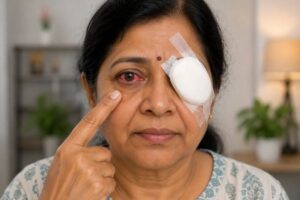
Can I Cook After Cataract Surgery? A Practical Recovery Guide
 shraddha trust
Introduction
One common concern after cataract surgery is, “Can I cook after the procedure?”
Yes, you can usually cook after cataract surgery. However, avoid cooking immediately after the procedure. Return to regular cooking gradually.
Cataract surgery removes the cloudy natural lens of the eye and replaces it with an artificial lens. This helps improve vision. Although cataract surgery is a common procedure, the operated eye still needs time to heal.
If you have recently undergone cataract surgery in Bangalore, follow the instructions given by your ophthalmologist for a safe recovery.
This practical guide explains why kitchen work requires extra care after cataract surgery, when cooking can be resumed gradually, which activities are safer during recovery, and when you should contact your eye doctor.
Why Should You Be Careful While Cooking After Cataract Surgery?
Your vision may remain slightly blurry or sensitive immediately after surgery. This can temporarily affect your ability to judge distances, handle knives or safely work around a hot stove.
A kitchen also exposes the eye to steam, smoke, oil splashes and spice particles. These may cause irritation and increase the temptation to touch or rub the operated eye. Patients are generally advised not to rub the eye and to protect it from unnecessary irritation while it heals.
The physical side of cooking matters too. Lifting a large pressure cooker, bending repeatedly to reach low cabinets or carrying heavy vessels may be unsuitable during the initial recovery period because heavy lifting and strenuous activity are commonly restricted after cataract surgery.
- Temporary Visual Changes: Slightly blurred or sensitive vision can affect depth perception, hand-eye coordination and safe handling of knives or hot cookware.
- Steam, Smoke and Splashes: Hot steam, cooking smoke, oil splashes and spice particles can irritate the recovering eye.
- Physical Strain: Heavy vessels, large pressure cookers and repeated bending may add unnecessary strain during early recovery.
When Can You Cook After Cataract Surgery?
Recovery varies from person to person, so your ophthalmologist’s advice should always come first. In general, cooking can be resumed gradually as your vision becomes clearer and the operated eye heals.
| Recovery Period | What You May Do | Key Precautions |
| First 1–3 Days | Avoid regular cooking and focus on rest. Ask a family member to prepare meals whenever possible. | Stay away from hot oil, strong steam, smoke, sharp knives, heavy cookware and repeated bending. |
| After 1 Week | You may begin simple tasks such as reheating food, preparing sandwiches or arranging ready-to-eat meals if your vision feels comfortable. | Continue avoiding deep frying, prolonged steam exposure, heavy utensils and repeated bending. |
| After 2–3 Weeks | Many patients can gradually return to light cooking, simple meals, boiling food and basic chopping if vision is clear and tools can be handled safely. | Remain cautious around hot oil, pressure cookers, smoke and heavy cookware. |
| After 4 Weeks and Beyond | Most patients can progressively return to their usual cooking routine when recovery is going well and normal activities have been cleared. | If blurred vision, discomfort, redness or unusual sensitivity continues, avoid risky tasks and consult your eye doctor. |
After the Initial Recovery Period
Cooking can gradually become more normal as your eye heals and your vision becomes stable. More demanding tasks such as frying, prolonged cooking, lifting heavy cookware or working close to strong steam should be resumed only when you feel visually comfortable and your ophthalmologist has cleared you for normal activity.
Recovery instructions differ between hospitals and patients, so your post-operative review is a better guide than following a fixed number of days.
Cooking Safety Tips After Cataract Surgery
When you return to the kitchen, make a few temporary adjustments.
1. Choose Simple Meals
Prepare dishes that require minimal chopping, frying or handling of heavy cookware.
2. Keep Distance from Steam
Do not place your face directly above boiling pots, pressure cookers or steaming food.
3. Avoid Oil Splashes
Deep frying and high-temperature cooking are better postponed during early recovery.
4. Keep Frequently Used Items Accessible
Place utensils and ingredients at waist or counter height to reduce unnecessary bending.
5. Ask for Assistance
Have someone handle heavy vessels, sharp chopping tasks or high-heat cooking until your vision feels comfortable.
6. Never Rub the Operated Eye
If your eye feels irritated, follow the eye-care instructions provided by your doctor rather than rubbing it.
Foods to Eat After Cataract Surgery
You do not usually need a special “cataract surgery diet” unless your doctor has recommended one for another medical condition.
Focus on regular, balanced meals containing:
- Leafy green vegetables
- Carrots and other colourful vegetables
- Citrus and other fresh fruits
- Eggs
- Fish or lean meats
- Pulses and legumes
- Nuts and seeds
- Adequate water and fluids
Good nutrition supports general recovery, but food should not replace prescribed medicines or eye drops. Use your post-operative eye drops exactly as instructed.
Kitchen Activities to Avoid During Early Recovery
Certain cooking activities involve more unnecessary risk during the early healing period.
Avoid or seek assistance with:
| Kitchen Activity | Why Extra Care Is Needed |
| Deep frying | Hot oil may splash towards the face and operated eye |
| Leaning over steam | Strong steam may irritate a sensitive recovering eye |
| Carrying heavy cookware | Heavy vessels may require unnecessary physical strain |
| Chopping with blurred vision | Reduced visual clarity may make knife handling unsafe |
| Handling powdered spices near the face | Fine spice particles may irritate the eye |
| Repeated bending | Frequent bending may be unsuitable during early recovery |
| Cooking in smoky kitchens | Smoke may cause irritation and discomfort |
The aim is not to stop normal activity longer than necessary.
The goal is to make the initial recovery period safer while your vision improves.
Other Precautions After Cataract Surgery
Kitchen safety is only one part of cataract surgery aftercare.
- Avoid Rubbing the Operated Eye: Patients are commonly advised not to rub or press the operated eye during early recovery.
- Avoid Heavy Lifting: Heavy lifting and strenuous activity may be restricted during the initial recovery period.
- Keep Water Away from the Eye: Take care while washing your face or bathing so water does not enter the operated eye.
- Avoid Swimming: Swimming is restricted for a period after surgery because of infection and irritation concerns.
- Use Prescribed Eye Drops: Use prescribed eye drops regularly and exactly as instructed.
- Attend Follow-Up Appointments: Keep scheduled post-operative reviews so your ophthalmologist can monitor recovery.
- Resume Driving Only When Safe: Do not resume driving until your vision is suitable and your ophthalmologist says it is safe.
Red Flag Symptoms: When Should You Contact Your Eye Doctor?
Some mild discomfort can occur during recovery, but seek medical advice promptly if you develop:
- Worsening vision
- Increasing eye pain
- Marked redness
- Other sudden changes in your eyesight
Early evaluation is important when symptoms are unusual or becoming worse rather than improving.
Conclusion & Specialist Care
So, when can you cook after cataract surgery? There is no universal day that suits everyone.
Keep cooking minimal immediately after surgery, then gradually restart simple tasks as your vision and comfort improve. Leave high-heat cooking, heavy cookware and other risky kitchen activities until recovery has progressed and your ophthalmologist considers them safe.
Patients looking for guidance on cataract surgery and post-operative eye care in Bangalore can consult the ophthalmology team at Shraddha Eye Care Trust for advice suited to their individual recovery.
FAQs About Cooking After Cataract Surgery
Q1. Can I cook immediately after cataract surgery?
It is better to rest immediately after surgery and have someone else prepare your meals. Your vision may still be blurred or sensitive, making hot surfaces, knives and cookware harder to handle safely.
Q2. Can steam affect my eye after cataract surgery?
Steam can irritate a sensitive recovering eye. Avoid leaning directly over boiling water, pressure cookers or steaming dishes during early recovery.
Q3. Can I use a microwave after cataract surgery?
Simple reheating may be easier than conventional cooking once you can see clearly and move around safely. Avoid lifting heavy containers or exposing your face to very hot steam when opening them.
Q4. When can I start chopping vegetables?
Wait until your vision is clear enough for safe hand-eye coordination. If your vision remains blurry or uncomfortable, ask someone else to handle knives.
Q5. Can I fry food after cataract surgery?
It is sensible to postpone frying during early recovery because hot oil can splash towards the face and irritate or injure the eye.
Q6. Do I need protective glasses while cooking?
Use an eye shield or protective eyewear only according to your ophthalmologist’s post-operative instructions. Your doctor can advise whether additional protection is necessary while cooking.